

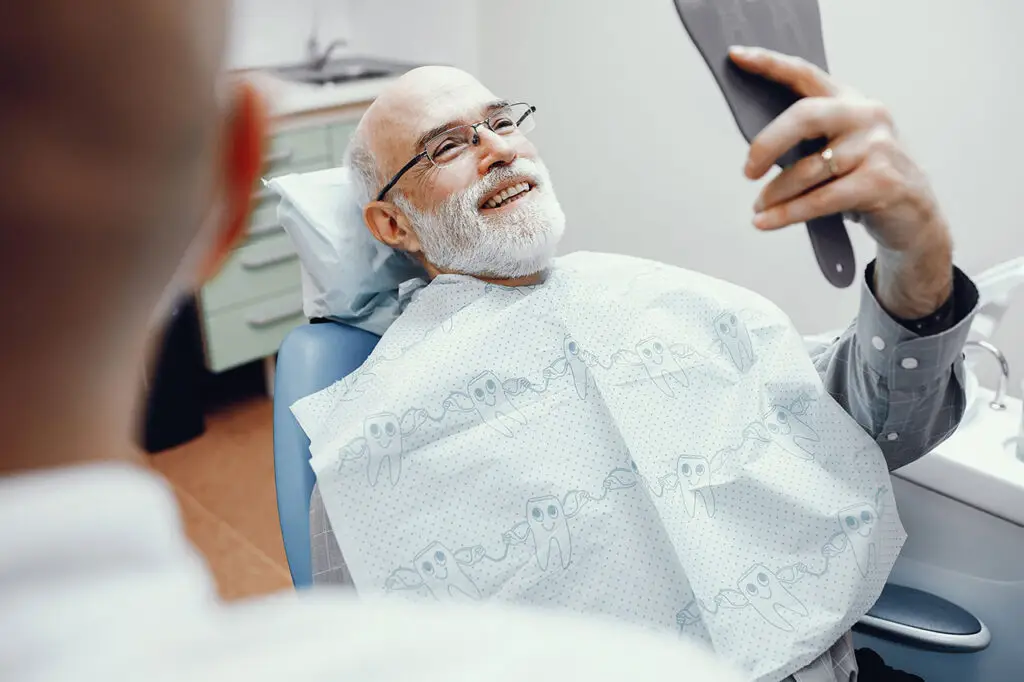
A denture that moves during meals or conversation can turn simple daily activities into something that requires constant attention. This is especially common with lower dentures, where the tongue, cheeks, and shape of the jaw can make stable retention difficult. For patients who want better support without moving directly to a fully fixed bridge, implant supported dentures can provide a valuable alternative.
Implant supported dentures use dental implants as anchor points for a removable denture. The denture can still be taken out for cleaning, but attachments connect it to the implants while it is worn. One of the first questions many patients ask is simple, how many implants are actually needed?
There Is No Single Implant Number for Every Patient
The number of implants used for implant supported dentures can vary. Different patients have different bone levels, arch shapes, bite forces, medical histories, and expectations.
A lower denture may sometimes be stabilized with a relatively small number of implants. Other situations may benefit from additional implant support.
The upper arch can have different requirements because the anatomy and bone characteristics are not the same as the lower jaw.
The goal is not to place an arbitrary number of implants. It is to create the amount and distribution of support needed for the planned denture.
Why Lower Dentures Often Need More Help
Traditional lower dentures can be challenging because they do not have the broad palate available to help retain an upper denture.
The tongue moves within the same space, while muscles in the cheeks and floor of the mouth are constantly active. Bone changes after tooth loss can also make the lower ridge flatter over time.
As a result, even a well-made lower denture can sometimes move more than the patient would like.
Implant supported dentures provide anchor points that help resist lifting and sliding, giving the appliance a more secure connection than gum support alone.
How a Small Number of Implants Can Change Retention
When appropriately planned implants are positioned in the jaw, special attachments can connect them to the denture.
Instead of relying only on the shape of the gums and suction, the appliance gains mechanical retention from those implant attachments.
This does not turn the removable denture into a fixed bridge. The patient can still remove it. However, the denture may feel substantially more controlled while being worn.
For many patients, that added retention can make the difference between constantly thinking about the denture and simply getting through the day more comfortably.
Why More Implants Are Not Automatically Better
It may seem logical that more implants would always create a better result. However, treatment planning is more nuanced.
The number of implants needs to work with available bone, restorative space, attachment design, cleaning needs, and long-term goals.
Adding implants increases treatment complexity and cost. Additional implants should therefore have a clear purpose within the overall design.
At the same time, too little support for a particular situation may not provide the result the patient expects.
This is why implant supported dentures should be planned around the individual rather than a standard number advertised for everyone.
What Determines the Recommended Number of Implants?
Several factors can influence implant number and location.
- The upper or lower arch being treated
- The amount and quality of available bone
- The shape of the jaw ridge
- The type of implant attachment system
- The size and design of the denture
- The patient’s bite forces
- Available restorative space
- Medical history and healing factors
- Whether future conversion to a fixed restoration is being considered
These details are reviewed before the final recommendation is made.
Benefits of Implant Supported Dentures
- Improved retention: Implant supported dentures connect to implants rather than relying only on the gums for stability.
- Reduced movement: Implant attachments can help reduce lifting, sliding, and rocking during normal activities.
- Greater chewing confidence: A more stable denture can make eating feel more controlled and comfortable.
- Less reliance on denture adhesive: Many patients appreciate receiving retention from implant attachments instead.
- Removable cleaning access: The denture can still be taken out so the appliance, attachments, implants, and gums can be cleaned directly.
- Support around implant locations: Dental implants transfer functional forces into the jaw where they are positioned.
- Adjustable retention: Certain attachment components can be replaced or adjusted as they wear.
- Flexible treatment options: Implant supported dentures can provide a middle ground between conventional removable dentures and fully fixed implant bridges.
What Are Denture Attachments?
Attachments are the components that allow the denture to connect to the implants. Different systems may be used depending on the treatment design.
Some use individual attachments on each implant, with matching components inside the denture. Others may use a connecting bar that provides support across several implants.
The attachment system affects retention, cleaning, restorative space, and maintenance requirements.
Patients do not need to become experts in every attachment type, but they should understand whether their planned implant supported dentures will use individual connectors, a bar, or another system and what maintenance that design may require.
How Secure Should the Denture Feel?
The denture should feel stable during normal speaking and eating but still be removable using the correct technique.
Retention that is too weak can lead to unwanted movement. Retention that is unnecessarily strong may make removal difficult, particularly for patients with limited hand strength or dexterity.
The goal is balanced, practical retention. Some attachment systems allow the level of retention to be adjusted through replaceable components.
What Happens During Implant Placement?
After evaluation and imaging, implants are placed in selected areas of the jaw. Local anesthetic is used for comfort during the procedure.
The implants usually need a healing period before they are used for their final attachment function. During this time, the denture may be modified so it does not place unwanted pressure on healing sites.
Once the implants are ready, the denture can be fitted to the attachment system.
Can an Existing Denture Be Used?
Sometimes. An existing denture may be suitable for modification if its fit, bite, strength, appearance, and available internal space are appropriate.
In other cases, creating a new denture provides a more predictable result. An older denture may already have worn teeth, poor fit, or insufficient space for attachment components.
The decision should be based on the condition of the appliance rather than simply trying to reuse it whenever possible.
What Is the Adjustment Period Like?
Even patients who have worn dentures for years may notice a short adjustment period after their appliance is connected to implants.
The denture may feel different because it no longer moves in the same way. Chewing patterns and insertion techniques may need to be relearned slightly.
Patients are shown how to seat and remove their implant supported dentures properly. Biting forcefully to snap the denture into place should be avoided unless specifically instructed.
Eating with Greater Denture Stability
Improved retention can make meals feel more predictable. Foods that caused a traditional denture to lift or slide may become easier to manage.
Patients should still adapt gradually after treatment. During implant healing, food restrictions protect the surgical areas. After the attachments are activated, learning how the more stable denture handles different foods can take a little practice.
No denture restores the exact biting force or sensation of natural teeth, but implant support can provide a meaningful improvement for many patients.
How to Clean Implant Supported Dentures
The removable design makes direct cleaning possible. Patients take the denture out and clean the appliance according to recommendations.
The implant attachments and surrounding gums should also be brushed carefully. If a bar is used, cleaning beneath and around the bar may require additional tools.
Home care matters because the tissues surrounding the implants need to remain healthy even though the artificial teeth themselves cannot develop cavities.
Why Attachment Parts Eventually Need Maintenance
Some attachment components are designed to experience normal wear as the denture is repeatedly inserted and removed.
If implant supported dentures begin to feel less retentive after a period of successful use, it does not necessarily mean there is a problem with the implants.
A worn attachment insert may simply need replacement. The denture base, bite, and overall fit should also be checked.
Routine maintenance keeps small wear issues from becoming larger functional concerns.
What If the Denture Still Rocks?
A denture should be evaluated if noticeable rocking or movement develops. Several different issues can cause this.
The attachment components may be worn. The denture base may no longer fit the gums accurately. The bite may have changed. In some cases, the problem may involve the appliance rather than the implants themselves.
Adding adhesive without determining the cause may only hide the issue temporarily.
Could Implant Supported Dentures Be Converted to Fixed Teeth Later?
Some patients begin with a removable implant denture and later become interested in a fixed full-arch restoration.
Whether the existing implants can contribute to that future treatment depends on their number, position, condition, and compatibility with the new restorative plan. Additional implants may be needed.
If future fixed treatment is already a goal, it is helpful to mention that during the original planning process. Implant placement can sometimes be considered with long-term options in mind.
Finding the Right Amount of Support
There is no universal answer to how many implants every patient needs for implant supported dentures. The right number is the one that provides appropriate support for the individual treatment plan while respecting anatomy, maintenance needs, and long-term goals.
For people who struggle with a loose denture, even a carefully planned increase in retention can make eating, speaking, and everyday denture wear feel much more manageable.
If you would like to learn how many implants may be appropriate to stabilize your denture, contact The Dental Boutique at 727-999-6063 or visit 5138 Deer Park Dr Ste 102, New Port Richey, FL 34653 to Book an Appointment with Dr. Vallo and explore your options for implant supported dentures.