

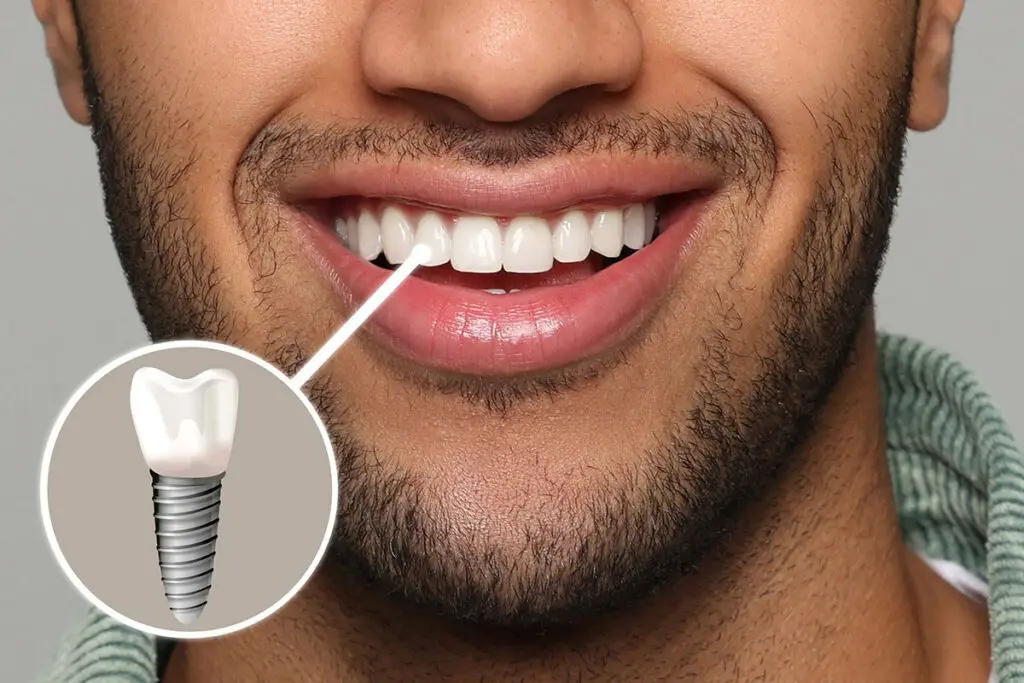
When a tooth needs to be removed, many patients want to know how quickly it can be replaced. In some situations, an implant may be placed around the same time as the extraction. In others, allowing the area to heal first may create a more predictable foundation. Understanding immediate and delayed dental implants can help patients see why the fastest option is not automatically the best option for every tooth.
Dental implants replace missing tooth roots and can support individual crowns, implant bridges, or larger restorations. The timing of implant placement depends on the condition of the tooth, available bone, gum health, location in the mouth, and whether the implant can be positioned properly after extraction.
What Is Immediate Dental Implant Placement?
Immediate implant placement generally refers to placing a dental implant into the treatment area around the time a tooth is extracted.
This can reduce the number of separate surgical visits in selected cases. It may also help streamline the overall treatment process when the surrounding bone, gums, and anatomy are favorable.
However, immediate placement does not mean that every stage of treatment is finished on the same day. The implant still needs time to heal before it is ready for normal long-term chewing forces.
What Is Delayed Implant Placement?
Delayed placement means the tooth is removed first and the implant is placed after a healing period. The amount of time between extraction and implant placement depends on the condition of the site and treatment plan.
This approach may be recommended when the area needs time to heal, when infection or significant tissue damage is present, or when additional support needs to be developed before implant placement.
Delayed treatment is not a lesser form of implant dentistry. In some situations, it is the most appropriate way to build a stable foundation for dental implants.
Why Immediate Placement Is Not Right for Every Extraction
After a tooth is removed, the remaining socket has a specific shape. An implant needs to be positioned according to where the future replacement tooth belongs, not simply wherever the old root happened to be.
The dental team also needs enough stable bone to support the implant. If the area has significant damage, insufficient support, or other concerns, immediate placement may not provide the desired stability.
Choosing to wait can allow the site to be prepared more predictably for the future implant.
How the Location of the Tooth Affects Timing
A front tooth presents different challenges from a back tooth. Front dental implants often require careful planning for the appearance of the gums and final crown. Small changes in tissue shape can be highly visible.
Back teeth need to handle stronger chewing forces, and the shape of their roots and surrounding bone can influence implant placement.
The upper and lower jaws also have different anatomical considerations. The exact location of the tooth therefore plays an important role in deciding whether immediate or delayed placement makes sense.
Why the Condition of the Bone Matters
The implant depends on bone for stability. If the walls of the extraction socket are healthy and the planned implant can obtain appropriate support, immediate placement may be considered.
If significant bone has been lost, an additional procedure may be recommended to preserve or rebuild the area. Sometimes this can happen around the time of extraction, while other situations call for a staged approach.
The goal is not simply to place the implant quickly. It is to place it in a position that supports the long-term restoration.
What About Infection?
A tooth being removed because of infection does not automatically determine the timing of implant placement. The amount and location of infection, the condition of the bone, and the ability to clean the site thoroughly all need to be considered.
Some cases may still allow implant treatment around the time of extraction, while others benefit from healing first.
This decision needs to be based on the individual clinical situation rather than a general rule.
Benefits of Dental Implants
- Root-level tooth replacement: Dental implants restore support within the jaw rather than replacing only the visible portion of the tooth.
- Fixed daily function: Once restored, implant-supported teeth remain in place during normal use.
- Protection of neighboring teeth: A single implant can often replace a tooth without requiring healthy adjacent teeth to be prepared for a bridge.
- Jaw support at the implant site: Functional pressure is transferred into the surrounding bone through the implant.
- Natural-looking restoration: The final crown can be designed to coordinate with nearby teeth.
- Versatile treatment: Implants can support one crown, several connected teeth, or larger full-arch restorations.
- Improved chewing balance: Replacing a missing tooth can restore support to an area that had been excluded from normal chewing.
Does Immediate Implant Placement Mean Immediate Teeth?
Not always. Implant placement and tooth placement are separate decisions.
In certain situations, a temporary crown may be placed during the early treatment stage. However, that temporary tooth generally needs to be protected from heavy chewing while the implant heals.
In other cases, the implant is placed and allowed to heal without a temporary crown directly attached to it. Another type of temporary tooth may be used for appearance when needed.
The final crown is typically completed after the implant has reached the appropriate stage of healing.
Why Temporary Teeth Need Special Care
A temporary tooth is designed to maintain appearance and sometimes help shape the surrounding gum tissue, but it should not be treated like the final restoration before healing is complete.
Patients may be instructed to avoid biting directly into certain foods with the temporary tooth. This reduces unnecessary forces on a healing implant.
Following these instructions can feel inconvenient for a short period, but it helps protect the foundation for the final result.
What Is Socket Preservation?
When a tooth is removed and implant placement is planned for later, preserving the extraction area may sometimes be helpful.
A procedure may be recommended to support the shape of the ridge while healing occurs. The goal is to maintain a foundation that can support future treatment.
Not every extraction requires this approach. The need depends on the condition of the site and the long-term restorative plan.
What Happens During a Delayed Implant Timeline?
The tooth is first removed and the site is allowed to heal according to the treatment plan. Follow-up visits may be used to monitor healing.
When the area is ready, updated imaging or measurements may be taken before the implant is placed.
After implant placement, another healing stage allows the implant to develop stable support within the jaw. The final crown is then completed when the implant is ready.
Although delayed dental implants may involve more stages, each stage has a specific purpose.
Is Faster Treatment Always Better?
Convenience matters, but implant dentistry is a long-term treatment. Saving several weeks or months is not valuable if it compromises the position or stability of the final restoration.
Immediate placement can be an excellent option when the conditions support it. Delayed placement can be equally successful when healing or site preparation is needed first.
The best timeline is the one that creates a healthy foundation for the planned tooth.
How Long After Extraction Can an Implant Be Placed?
There is no single waiting period that applies to every patient. The timing depends on how the extraction site heals, the amount of available bone, whether grafting was performed, and other individual factors.
The dental team can monitor the area and determine when it is ready for the next stage.
Patients who know they are interested in an implant should ideally discuss replacement before or around the time of extraction so the sequence can be planned from the beginning.
Can a Tooth Be Removed and Never Replaced?
Not every missing tooth creates the same functional problem, but leaving a space can allow changes to occur over time. Neighboring teeth may shift, the opposing tooth may move, and chewing patterns may change.
The bone in the missing-tooth area can also change after the root is gone.
For this reason, patients should understand their replacement options before deciding to leave an extraction space untreated.
How the Final Implant Crown Is Planned
Whether the implant is placed immediately or later, the final crown should guide the planning process from the beginning.
The implant needs to sit in a position that supports a natural tooth shape and comfortable bite. Especially in visible areas, the way the crown emerges from the gumline affects the final appearance.
Successful dental implants therefore depend on coordinating the surgical foundation with the restorative goal.
Common Questions About Dental Implant Timing
Can an implant always be placed the same day a tooth is removed?
No. Same-day implant placement depends on bone support, the condition of the extraction site, implant position, gum health, and other individual factors.
Is a delayed dental implant less successful than an immediate implant?
Not simply because it is delayed. Waiting can be an important part of creating the right foundation when an extraction site needs additional healing or preparation.
Does same-day implant placement mean I get my permanent crown that day?
Not necessarily. A temporary tooth may sometimes be possible, but the final crown is generally completed after the implant has healed appropriately.
Should I discuss an implant before having a tooth removed?
When possible, yes. Discussing replacement before extraction allows the dental team to consider how the removal and healing process may affect future implant treatment.
Choosing the Right Timing for the Right Reason
Immediate and delayed dental implants are not competing treatments. They are different timelines used to solve different clinical situations. Immediate placement can streamline treatment when the site offers the right conditions. Delayed placement can create valuable healing time when the foundation needs additional attention.
The most important question is not, “How fast can the implant be placed?” It is, “Which sequence gives the replacement tooth the strongest and most predictable foundation?”
If a tooth needs to be removed and you are considering dental implants, contact The Dental Boutique at 727-999-6063 or visit 5138 Deer Park Dr Ste 102, New Port Richey, FL 34653 to Schedule a Consultation with Dr. Vallo and discuss the timing that may be appropriate for your smile.